In Dungeons & Dragons (D&D), “DR” can refer to “Damage Resistance” or to a specific date notation, “Dalereckoning,” depending on the context in which it’s used. In context of date, we’ll focus on Dalereckoning.
Dalereckoning (DR):
Dalereckoning is a calendar term used in the Forgotten Realms, one of the most popular settings of D&D. It marks a specific calendar system used to keep track of years, and it’s often abbreviated as “DR.” This system starts with the year of the Standing Stone, which is considered the year 0 DR, marking a significant event in the Forgotten Realms’ history when the Standing Stone was raised by the elves of Cormanthyr and the human leaders of the Dalelands. This event symbolized a pact of peace and cooperation between humans and elves.
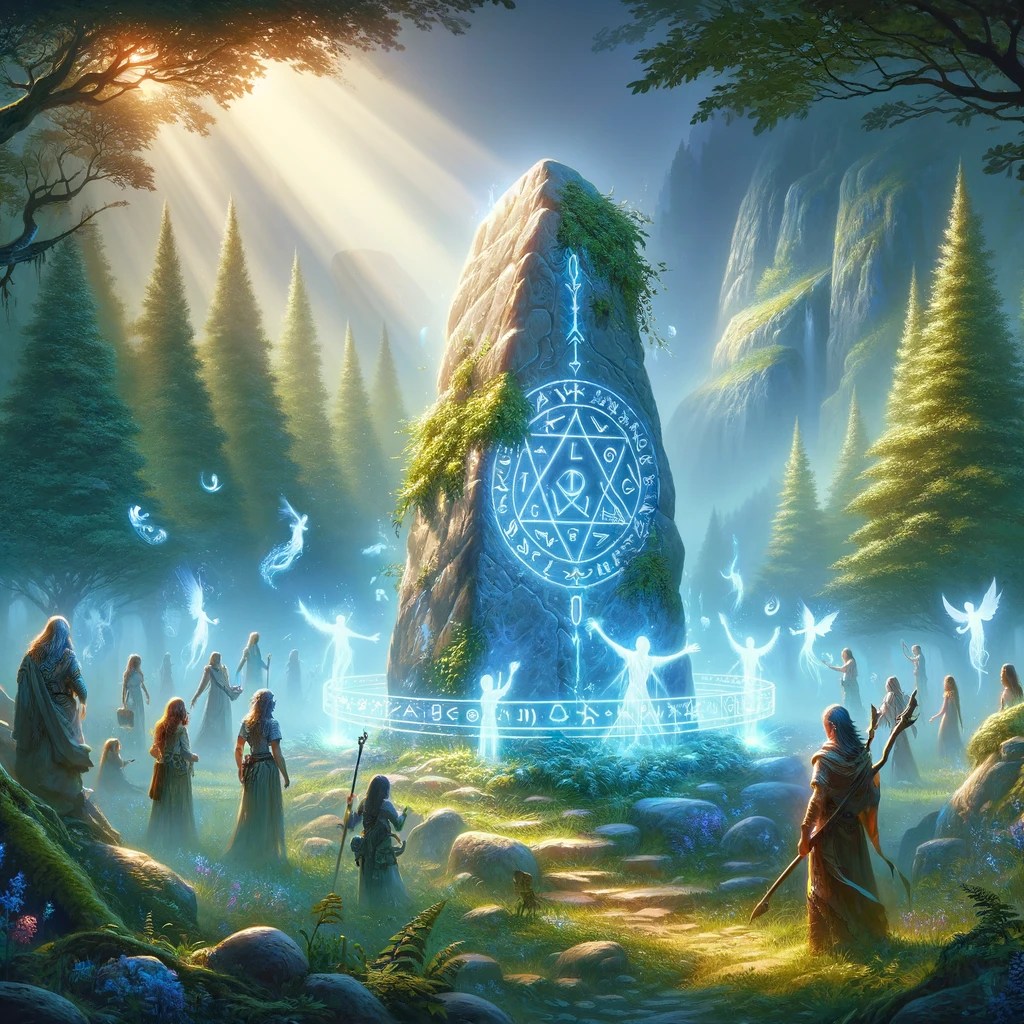
The use of Dalereckoning is widespread across the continents of Faerûn, being the most commonly accepted form of dating events. Other dating systems do exist in the Forgotten Realms (such as the Cormyr Reckoning or Northreckoning), but DR is the standard for historians, scholars, and adventurers when recording and referring to historical dates.
For example, if an event is said to have occurred in 1372 DR, it means that it took place 1,372 years after the establishment of the Standing Stone agreement.
Why It Matters:
Dalereckoning is important for players and Dungeon Masters (DMs) alike because it provides a temporal framework for the adventures within the Forgotten Realms. Understanding the timeline helps in situating campaigns, historical events, the rise and fall of empires, and the births and deaths of significant characters within a coherent chronology. This not only enriches the storytelling aspect of D&D but also helps in creating a sense of immersion and continuity within the game’s vast and detailed lore.
 Bara's Marauders